Is Human-Centric Lighting Worth It in 2026? What Vancouver Homeowners Should Know
If your evenings feel harsh, or your bedrooms feel too bright, you are not alone. In many Vancouver and West Vancouver homes, the issue is not the fixture style. It is the lighting behaviour. Brightness, colour temperature, and timing are often working against how you actually live in the space.
Human-centric lighting, sometimes called circadian lighting, is a design approach that makes your home feel more comfortable across the day. In 2026, it is also one of the most noticeable lifestyle upgrades you can make in a renovation or an existing-home update, especially when it is delivered through a properly designed lighting control system.
SEE ALSO: Explore Lighting Control Options
What Is Human-Centric Lighting (Also Called Circadian Lighting)?
Human-centric lighting is lighting that changes intentionally throughout the day to better suit how people tend to feel and function. Instead of one static white light all day and night, the home uses a combination of brightness control (dimming), colour temperature shifts, scenes (pre-set lighting looks), and schedules (automatic transitions at the right times).
The goal is simple. Light should feel supportive in the morning and daytime, then calmer and softer in the evening, without you constantly adjusting switches.
Is It Worth It in 2026?
For many Vancouver homeowners, the answer is yes when the goal is everyday comfort, not novelty. Human-centric lighting is worth it when it solves specific pain points, like harsh evenings and bedrooms that never feel restful, and when it is designed to look clean in the space.

The Most Common Pain Points It Solves
Evenings feel harsh. The home looks good in daylight, but after sunset it feels glaring or cold.
Bedrooms are too bright. A single overhead fixture can make nighttime feel like midday.
Dimming still does not feel comfortable. Even when you dim, the light quality can feel wrong if the system, drivers, or lamping are not compatible.
Spaces feel inconsistent. Each room behaves differently because fixtures and bulbs have been selected without a unified plan.
How It Works in a Real Home
Human-centric lighting is not a single product. It is a coordinated plan that combines fixture selection with controls and programming.

1) Brightness That Is Tuned, Not Just Dimmed
Good dimming is not only about going lower. It is about smooth fades, stable performance, and light levels that flatter the room at every moment.
2) Colour Temperature That Matches the Time of Day
A home can feel more energising earlier in the day, and more restful later on, when the lighting tone is planned properly. Many existing homes are stuck with one colour temperature everywhere, which is a big reason evenings can feel harsh.
3) Scenes That Match Real Life
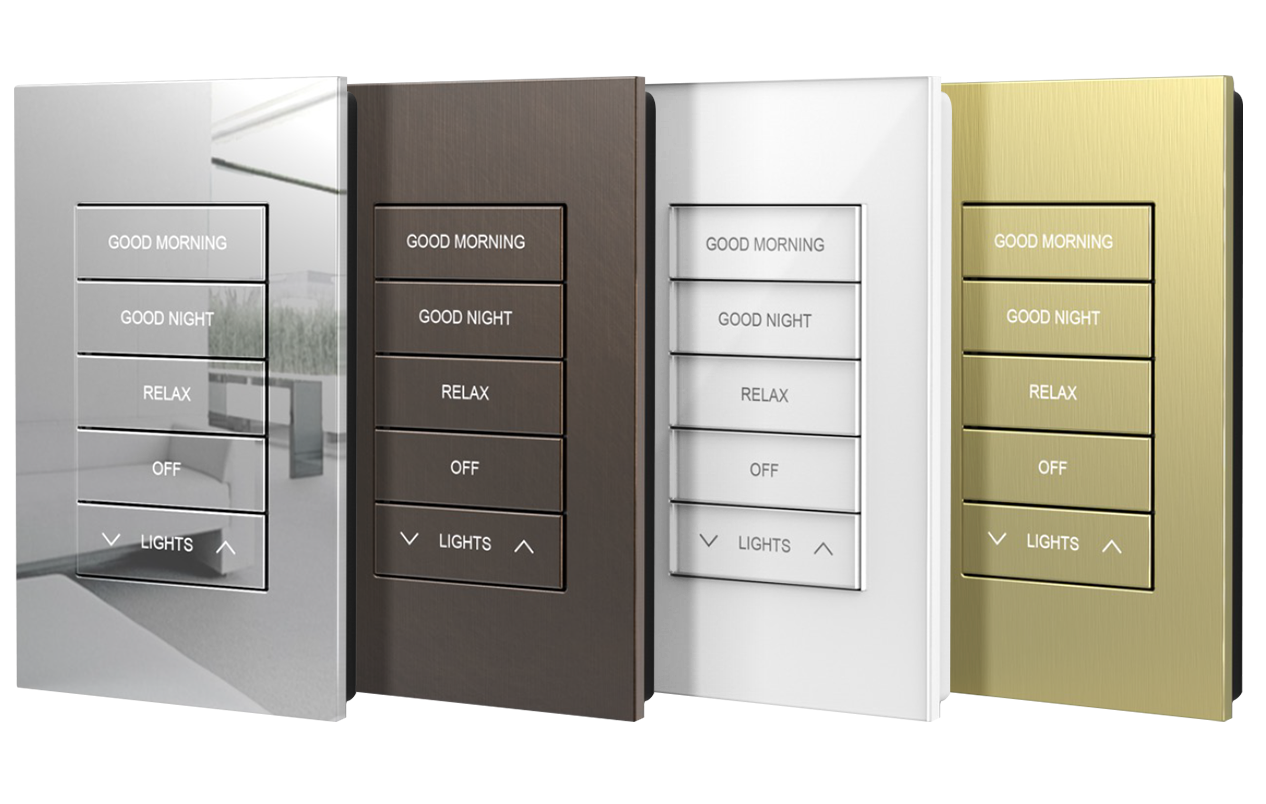
Scenes are the bridge between smart lighting and simple daily living. Instead of adjusting multiple dimmers, you select a scene that is already curated for the moment. Common scenes include Morning, Daytime, Cooking, Entertaining, Evening, Bedtime, and Night Path.
4) Schedules That Reduce Decision Fatigue
Schedules are where the experience becomes effortless. The home can shift into an evening look automatically, and later into bedtime or night path, so the lighting supports you without constant manual changes.
Examples of Human-Centric Lighting Scenes
Kitchen and main floor: Morning for routines, Cooking for task visibility, Entertaining for a flattering look, and Evening for a warmer, calmer tone.
Primary bedroom and ensuite: Bedtime for soft, warm light and Night Path for low-level navigation without disruptive brightness.
SEE ALSO: View Lighting Project Photos
Design-First Thinking: Lighting That Looks Intentional
Human-centric lighting works best when it is design-led. The technology should support the aesthetic, not compete with it. Controls, keypads, and fixture choices should integrate cleanly into the space.
SEE ALSO: How Graytek Plans and Delivers Smart Home Projects
Costs: What Affects Pricing?
Costs vary because every home starts in a different place. Pricing is influenced by the number of lighting loads, fixture and driver compatibility, keypad locations, whether you are adding new layers of light, the level of scene programming and scheduling, and any required infrastructure upgrades as part of an existing-home retrofit.
Ready to Make Your Lighting Feel Better to Live With?
If your evenings feel harsh or your bedrooms feel too bright, a lighting consultation is the best next step. We will help you understand what is possible, what it will take, and what kind of outcome you can expect in your Vancouver or West Vancouver home.
SEE ALSO: Request a Lighting Consultation