Power Protection for Smart Homes: Surge, UPS, and Generator Integration Explained
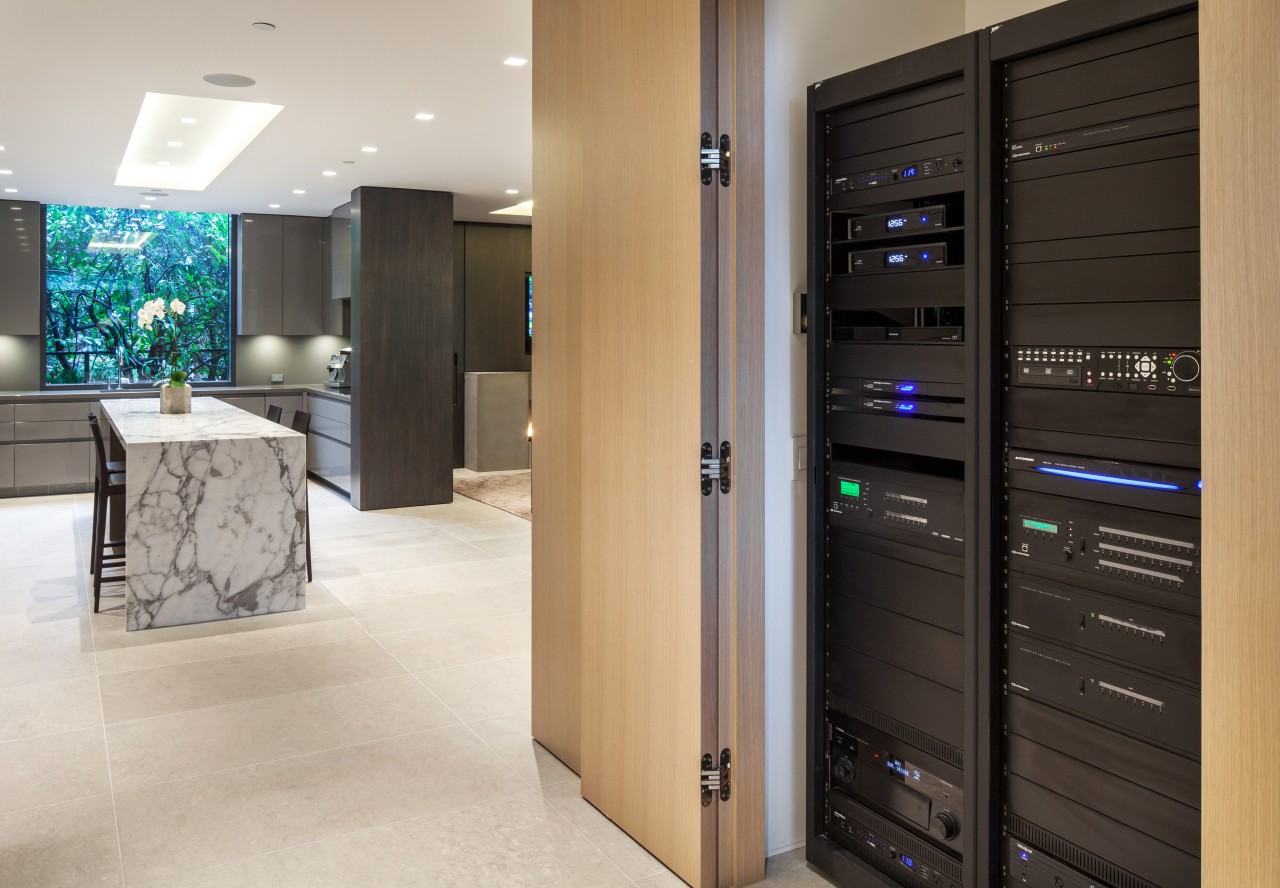
Power Protection for Smart Homes: Surge, UPS, and Generator Integration Explained
If you have ever walked through the house after a power event and thought, “Why did not everything come back properly?”, you are not alone. In high performance homes in West Vancouver and Whistler, a brief outage or surge can leave networks half online, audio zones missing, control processors confused, and security devices offline until someone reboots the right gear in the right order.
At Graytek, we treat power as system infrastructure, just like structured wiring and networking. If the power is not stable, protected, and manageable, the rest of the smart home will eventually become unreliable. A proper power strategy is what turns reliability, protection, and uptime into something you can count on every day.
For luxury residences across West Vancouver, North Vancouver, and Whistler, that foundation is even more critical. Multiple buildings, long cable runs, and complex systems all depend on power that has been engineered, not left to chance.
What “power protection” really means in a smart home
There are three different power problems that often get lumped together as one issue:
- Surges and electrical noise, which are fast, potentially damaging events
- Short outages and brownouts, which are brief drops that create instability
- Extended outages, where power is off for hours or days
Surge protection, UPS systems, and generators each address a different part of the problem. When they are designed as a coordinated strategy, the house behaves predictably before, during, and after a power event, instead of needing a manual reset routine every time the utility flickers.
SEE ALSO: The Graytek Discovery, Design, Execution, Service process
Surge protection: what it does, and what it does not do
Surge protection is about reducing the impact of voltage spikes before they reach your sensitive electronics. These spikes can come from the utility, nearby switching events, or even large loads turning on and off within the home. Properly specified surge protection at the main panel and at the rack helps protect network equipment, AV distribution, control processors, and security components from these sudden events.
In a modern smart home, that protection matters because the “brains” of the system are typically always on. If they see repeated spikes or unstable power, you are more likely to experience lockups, random reboots, or shortened equipment life, even if the system appears to recover each time.
What surge protection does not do is keep your system running when the power actually drops out. It also does not solve the “things do not come back properly” issue on its own, because that pain point is usually about uptime, reboot order, and devices losing their state when power is interrupted, not just the spike that caused the interruption in the first place.
UPS: the difference between “protected” and “stable”
A UPS (uninterruptible power supply) is designed to keep key equipment running through short outages and voltage dips, and to provide time for a controlled shutdown if power stays off. In smart homes, that usually means keeping the network core, control processors, security head end, and remote access equipment online long enough for everything to ride through a brief event or shut down cleanly during a longer one.
A properly specified UPS can also smooth out the short utility flickers that are long enough to crash electronics but short enough that you might barely notice the lights blink. It cleans, regulates, and stabilises power for sensitive gear, and prevents rapid power cycling that would otherwise stress processors, NVRs, and network switches.
It is important to understand that a rack UPS is not whole home backup. The goal is targeted runtime for critical electronics in the rack and at a few key endpoints, not hours of operation for every load in the house. In many projects, especially in West Vancouver and Whistler, the objective is to prevent chaos during short events and ensure the system restarts cleanly, not to power every light and outlet for an entire storm.
SEE ALSO: Wi-Fi and networking as smart home infrastructure
Generator integration: where it fits, and why design still matters
A generator is about extended uptime. In areas like West Vancouver and Whistler, that can mean riding through winter storms and longer utility interruptions without losing heat, basic lighting, refrigeration, and other essentials. For smart homes, it also means giving critical systems a chance to stay online beyond what a UPS alone can deliver.
Generator integration is not a replacement for good surge protection and UPS design. In fact, generators can introduce their own power quality considerations during start up and transfer. Without surge protection at the service and UPS units at the rack, those transfer events can still result in devices crashing, losing state, or coming back online in the wrong order after the generator hands back to the grid.
A well designed strategy looks something like this. Whole home surge protection reduces risk from spikes. UPS systems keep critical low voltage systems stable during short outages and transfer events. The generator supplies longer term power when the outage is not brief. The outcome you want is simple. Whether power is out for five seconds or five hours, the smart home should behave consistently and recover predictably.
Why systems “do not come back properly” after a power event
The most common complaint we hear is that “after a power event, things do not come back properly.” One room will play audio but not video. Some keypads respond, others do not. Cameras or door stations go offline until someone power cycles the right piece of equipment. These issues are frustrating, and they usually come from how power is restored, not just how it is lost in the first place.
Typical root causes include devices rebooting in the wrong order, inconsistent power restoration between outlets, under sized UPS runtime that drops the network before other systems recover, and a lack of documentation about what is protected, what is backed up, and what is intentionally not. When no one has a clear map of the power design, every outage turns into detective work instead of a simple reset procedure.
The fix is rarely “one more surge bar”. It is a design decision backed by execution standards and service follow through. That means coordinated circuits, correctly sized UPS units, managed power strips that can sequence reboots, and proper grounding and bonding that keeps power quality stable in the first place.
SEE ALSO: Graytek service, support, and repairs
Graytek’s approach: design first, documented, and serviceable
At Graytek, power management is planned the same way we plan structured wiring and infrastructure. It is part of the overall system architecture, with dedicated and isolated circuits for critical equipment, rack mounted UPS units for battery backup and conditioning, surge protection at the panel and the rack, and IP managed power strips that let our team see and control individual outlets by name.
This approach connects directly to our Discovery, Design, Execution, Service lifecycle. Power protection and uptime planning belongs in Discovery and Design. During Execution, we install, commission, and document the system, including load schedules and rack layouts. In Service, remote monitoring and controlled reboot tools mean we can often resolve issues in minutes instead of days, without waiting for a site visit in the middle of a winter storm.
For homeowners and builders, that translates into calm, predictable behaviour. The system feels less fragile. Service calls are shorter and more focused. When the power flickers, the house simply recovers instead of turning into a puzzle that someone has to “babysit” back to normal.
SEE ALSO: How smart home automation behaves when power returns
Builder and homeowner checklist: what to decide early
For new builds and major upgrades, making a few early decisions about power can prevent late stage compromises and costly rework. In West Vancouver and Whistler, where projects often include detached garages, guest houses, and long driveways, this planning is especially important for long term stability and maintenance.
- Where will the main rack or racks live, and how will they be ventilated and powered?
- Which loads are truly “critical”? Network, control, security, remote access equipment, and select AV zones may deserve UPS or generator backed power.
- Do you need generator readiness now, or full generator integration from day one?
- How will protected circuits, UPS backed circuits, and non backed circuits be documented for future service and upgrades?
When you get these decisions right early, everything downstream becomes easier. The smart home is more predictable to own, easier to support, and far less likely to fail in strange ways after the next power event or utility upgrade in the neighbourhood.
Add power management to your project
If your home has ever behaved unpredictably after an outage, or you are planning a new build in West Vancouver or Whistler and want reliability from day one, this is the right time to treat power as a system foundation. We can help you assess the current state of your power and infrastructure, then design a coordinated surge, UPS, and generator strategy that supports the way you actually live in the home.
Start with a power and infrastructure assessment, or add power management to your upcoming smart home project. Our team will review your existing systems, identify gaps in protection and uptime, and provide a clear plan that aligns with Graytek’s long term service and support standards.
To schedule a conversation, contact our team and reference your West Vancouver or Whistler property. We will help you build a smarter, more resilient power foundation for your home.
When you subscribe to the blog, we will send you an e-mail when there are new updates on the site so you wouldn't miss them.


