Motorized Shades Done Right in Vancouver

Motorized Shades, Specified Right: Fabrics, Fascia, and Hidden Pockets Designers Love
Motorized shades can be one of the most design-friendly upgrades in a new build. They can also become one of the most visible regrets if the pockets, fascia, and wiring allowances were not planned early enough. In Vancouver and West Vancouver, we see this often. Beautiful glazing, thoughtful interiors, and then a last-minute scramble because there was not enough space allowed for pockets or wiring.
This guide is built for architects, interior designers, and builders who want shades that perform well and disappear cleanly.
What “motorized shades” really includes, and why it matters early
Motorized shading is not a single product. The detailing changes depending on the shade type, the roll direction, the hembar, and how you want the hardware to present, or not present, in the finished space.
Common shade approaches in high-end homes include:
- Roller shades. The cleanest look, easiest to hide in a pocket, and strong for glare control.
- Dual shades with sheer and blackout. Ideal for bedrooms and street-facing rooms, but they require more pocket depth and coordination.
- Motorized drapery tracks. More decorative, and they need ceiling structure, stack-back allowance, and careful integration with millwork and lighting.
On renovation projects, shades are still very possible, but “hidden” often becomes “as hidden as we can manage,” and the wiring path usually drives the scope. New build is where you achieve the cleanest outcome.

Fabric selection, openness, privacy, and glare control
Designers often start with colour and texture. That is important, but performance should be decided first so the space actually feels comfortable to live in throughout the day and across seasons.
1. Openness factor, simplified
The “openness factor” of a shade fabric describes how much light and view pass through. In simple terms, lower openness gives better glare reduction and daytime privacy, while higher openness preserves more view at the expense of both glare control and privacy, especially at night when the interior is lit.
In practical terms, if a room has large west-facing glass in West Vancouver, openness and glare control choices will affect comfort just as much as HVAC. Getting the fabric right at specification stage prevents complaints later about heat, glare, or a “fishbowl” feeling after move-in.
2. Privacy versus glare control, room by room
Each space has a different balance between view, privacy, and glare control. In living areas, clients often favour view and controlled daylight, especially with water or mountain outlooks. Street-facing spaces typically prioritise privacy first, then glare control. In bedrooms, blackout or near-blackout performance is usually the expectation, but it must be detailed correctly to avoid light gaps around the perimeter.
3. Sheer plus blackout is a detail decision, not just a product decision
Dual shades, with a sheer for daytime and a blackout for night, can look exceptional. They are also less forgiving if the pocket depth, fascia alignment, or mounting conditions were not fully resolved during design. The fabric choice is important, but the architectural detail is what makes dual shades feel integrated rather than bulky or compromised.
SEE ALSO: Motorized Window Coverings within Smart Home Automation
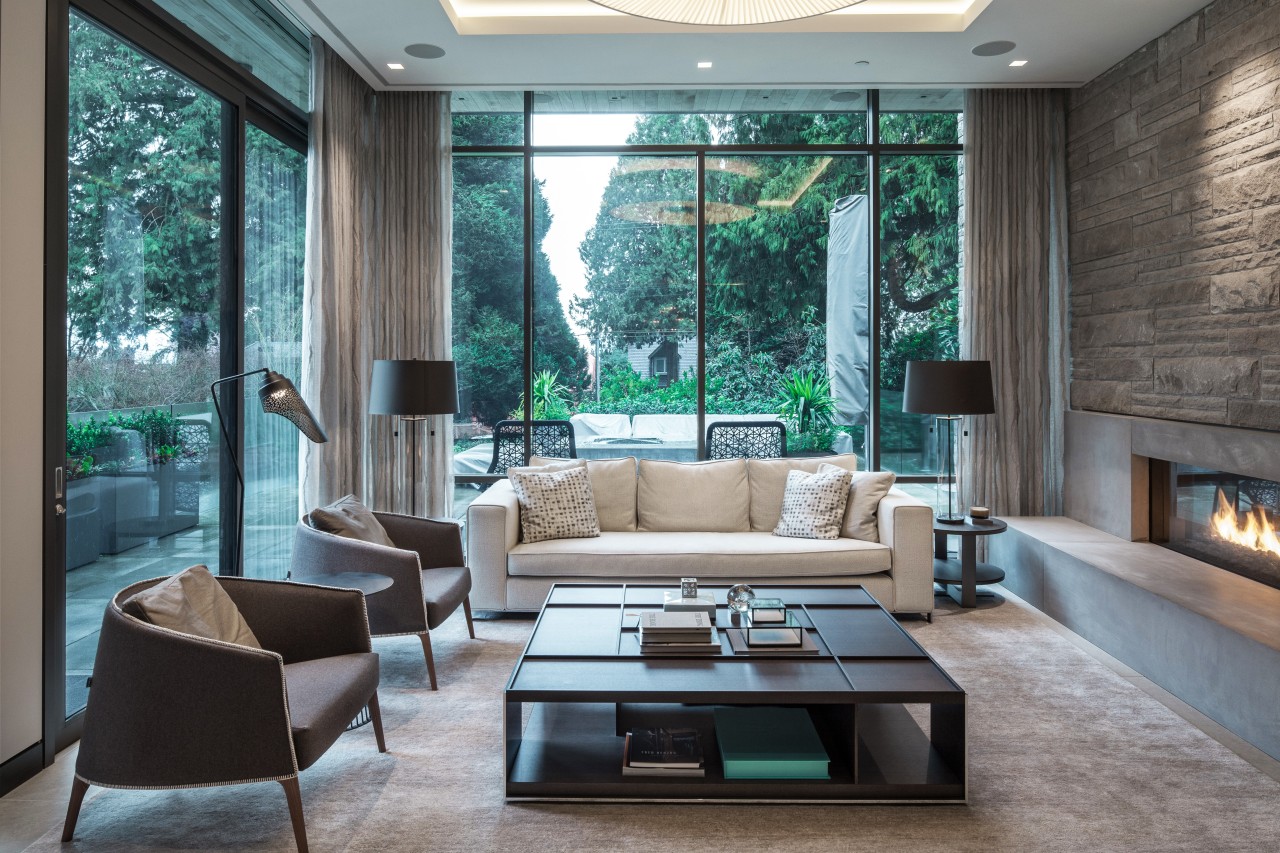
Fascia versus pocket. The “make it disappear” options architects love
If your goal is a clean ceiling line and minimal visual clutter, this is where shading projects succeed or fail. The choice between exposed fascia and a recessed pocket affects how the ceiling reads, how easy the shade is to service, and how much coordination is required with other trades.
Option A: Exposed fascia, clean and intentional
An exposed fascia can be the right answer when the ceiling condition is complex, the project is a renovation with limited depth for pockets, or when you want a defined line that aligns with other elements such as reveals, linear lighting, or millwork. Done well, fascia reads as intentional architecture rather than an afterthought or add-on component.
Option B: Recessed pocket, the premium look
A recessed pocket provides the “where did the shade go” result many clients request. It also requires the most coordination. Pocket depth and height must be correct for the chosen shade type, single or dual. There must be a clear path for power and control wiring to each window, and suitable access for servicing without damaging finishes later in the life of the home.
One of the most common pain points we hear about on projects that did not plan early is simple and costly. Not enough space was allowed for pockets or wiring. Once drywall is up, the options narrow quickly, and the result is often a compromise that nobody is fully happy with.
Option C: Hidden pocket aligned with ceiling details
The best projects treat shade pockets as part of a wider ceiling and glazing concept. Pockets align with lighting, air diffusers, and millwork to create a consistent language. This is especially valuable in Vancouver custom homes where ceilings carry a lot of the architectural expression. Motorized shades then become a quiet part of the overall composition, not a distraction from it.

Wiring and pre-wire. Decisions that must happen before drywall
To keep shade hardware hidden, the wiring and mounting conditions must be decided early. Even when the exact shade fabric is still being selected, the infrastructure can and should be finalised. That includes a defined power strategy for each window, a clear mounting surface in the pocket or at the header, and coordination with glazing details and any window coverings trades already engaged on the project.
If you are an architect or designer, the simplest way to de-risk the shading scope is to book a pre-wire and pocket detail consultation before framing is final. This preserves design intent, avoids on-site guesswork, and protects both your schedule and your budget.
SEE ALSO: How Our Discovery to Service Process Protects Design Intent
How Graytek supports designers and architects. Discovery to design coordination drawings
Graytek projects follow a clear lifecycle. Discovery, then Design, then Execution, then Service. For shading, the two phases that protect the design outcome are Discovery and Design. During Discovery, we learn how you want the home to feel through the day and how visible, or invisible, you want the technology to be. During Design, we provide coordination drawings that confirm pocket dimensions, mounting requirements, and wiring paths before trades are locked in on site.
This is where hidden shades truly stay hidden, and where everyone avoids last-minute compromises such as exposed wiring, undersized pockets, or mismatched fascia finishes. It also gives your clients confidence that their investment in glazing and interiors is supported by equally considered shading details across Vancouver, West Vancouver, and the wider Metro Vancouver region.
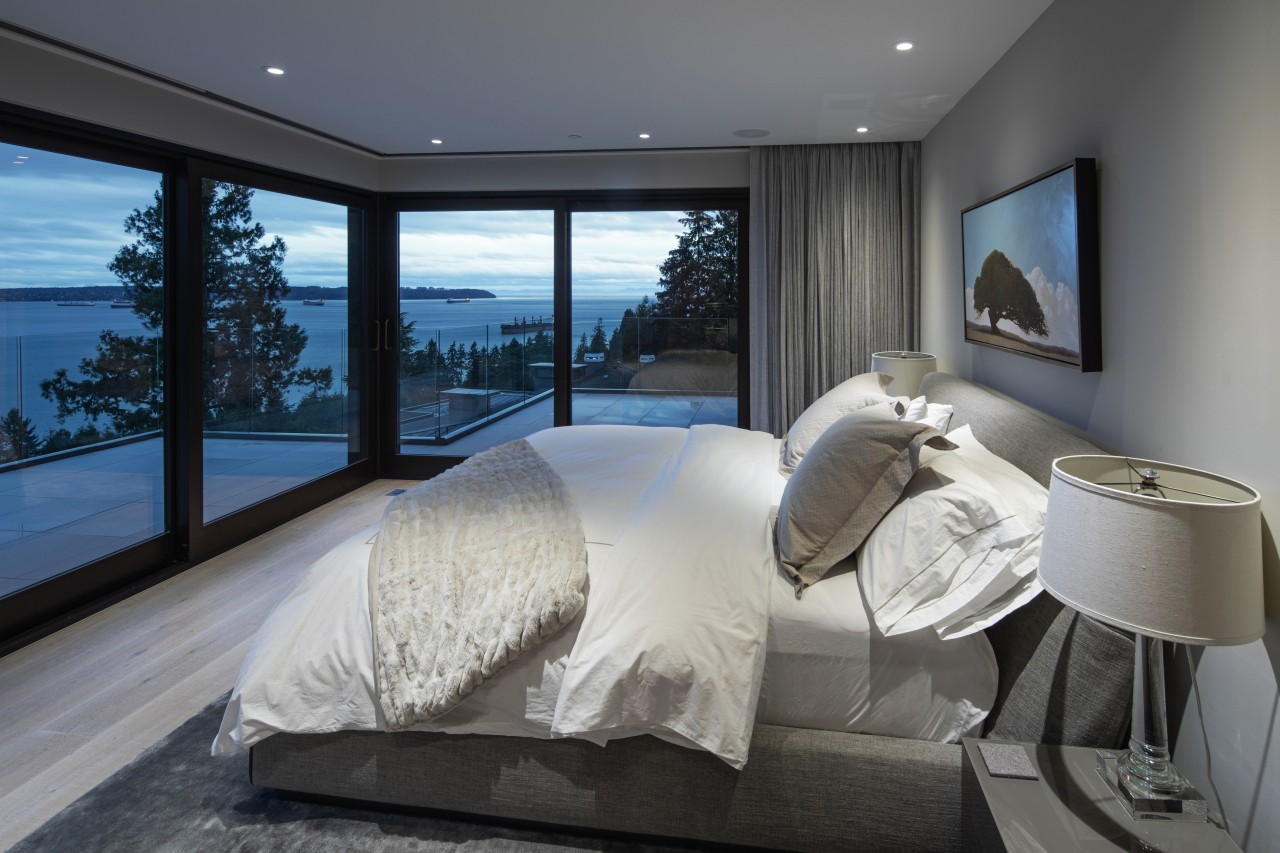
Best-fit projects. New build first, renovation second
If you are working on a new build in Vancouver or West Vancouver, we can usually achieve the fully pocketed, integrated look that architects and designers prefer, provided we are engaged early enough. In renovations, we can still deliver excellent results, but we will often recommend the most elegant “minimal hardware” solution that the existing conditions allow, rather than forcing a pocket where the structure or wiring paths cannot support it gracefully.
Call to action. Book a pre-wire and pocket detail consult
If you are designing a new home, or a major renovation, and want motorized shades that perform beautifully without visible hardware, early coordination is critical. A short design session that reviews fabrics, fascia options, and pocket allowances will often save weeks of on-site rework later.
Book a pre-wire and pocket detail consultation with Graytek. Our team supports projects across Vancouver, West Vancouver, and the surrounding areas, and we are comfortable working directly with architects, interior designers, and builders at every stage of the design process.
You can reach us at 604.529.1034, by email at
When you subscribe to the blog, we will send you an e-mail when there are new updates on the site so you wouldn't miss them.


